Fundamental & Translational
darkness therapy is an exciting new area of research
Collaboration with Universities & Labs
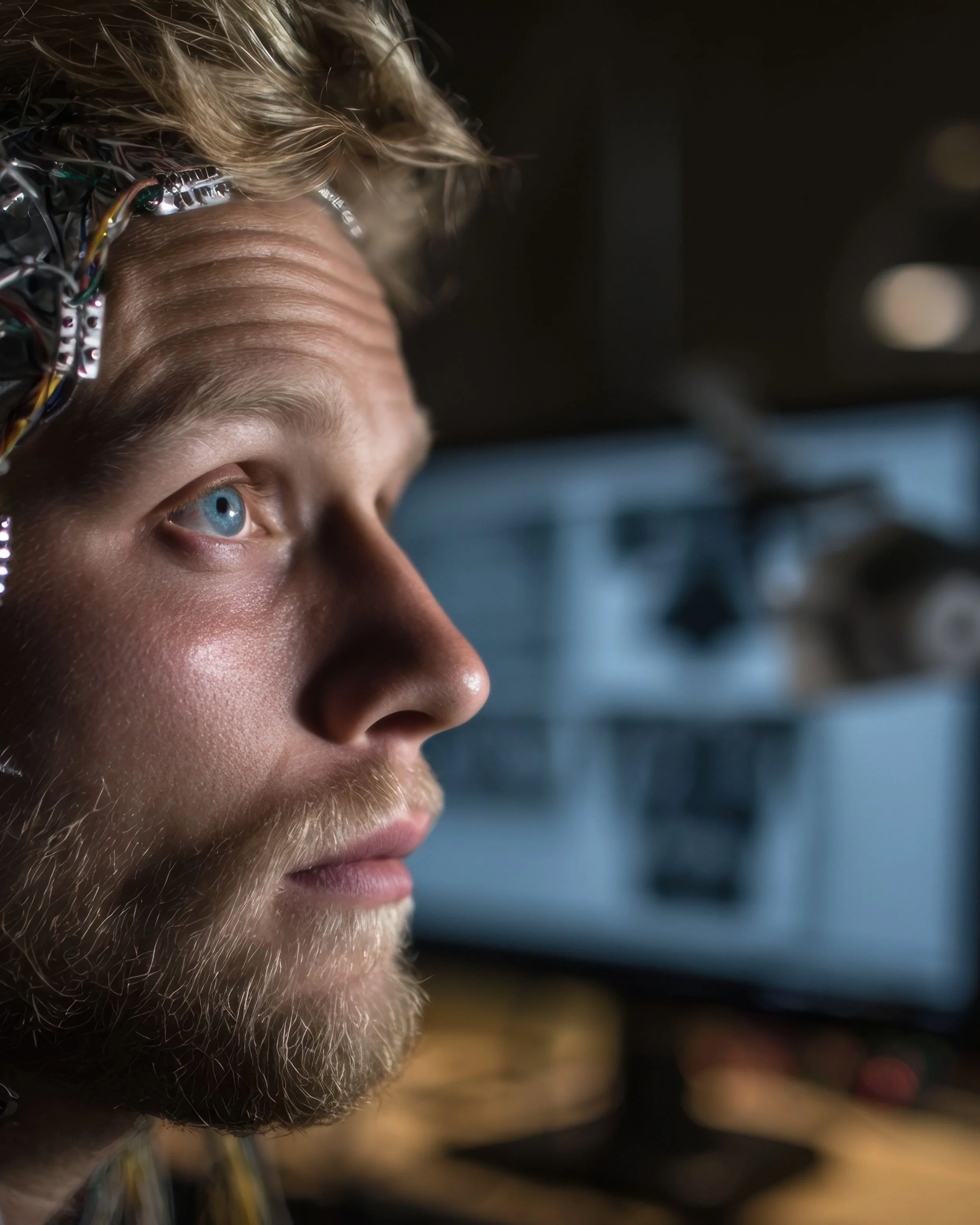
The Darkness Therapy Institute partners with universities, research centers, and laboratories to advance the study of therapeutic darkness immersion. Areas of interdisciplinary research include non-ordinary states of consciousness, perception, mental health and wellbeing, meaning-making, and neurophysiological processes.
Our role is to provide methodological expertise, structured protocols, trained facilitators, research governance, and interdisciplinary frameworks that enable the safe and replicable investigation of darkness therapy in university labs, field settings, or partner facilities.

Current Literature
Historically, people have engaged in cultural traditions of immersing themselves in light restricted environments as an opportunity to explore the edges of consciousness and reveal the natural freedom and creative expression of the mind. Complete immersion in darkness with the intention to be present and open to whatever experience arises is akin to mindfulness meditation. Darkness therapy has been shown to increase mindfulness, and the experience of meaningfulness. In a supportive set and setting, darkness therapy may be on par with the beneficial outcomes of both psychedelic therapy and mindfulness practice.
Individual case studies, thematic analysis, and the promising studies on bipolar, anxiety, depression, stress, self-esteem, mindfulness and meaning in life call for further research on darkness therapy for clinical application. Additionally, darkness therapy research may yield novel discoveries in the fields of consciousness studies and mind-body medicine.

Literature Examples
Themes include
Creativity
Wellbeing
Meaningfulness
Mindfulness
Increased Affect Tolerance
Increased Objective Consciousness
Positive Valence Interoceptive Awareness
Examples of relevant assessment instruments for research include
Mystical Experience (MEQ30 or 4; Pahnke-Richards Mystical Experience Questionnaire)
The Positive Affect Negative Affect Schedule (PANAS)
Wellbeing (quality of life); Subjective Wellbeing and Life Satisfaction (SWLS)
Mindfulness (AMPS; Kentucky; Toronto etc)
Interoceptive Awareness (MAIA-2)
Depression and Anxiety scales
Thematic Analysis